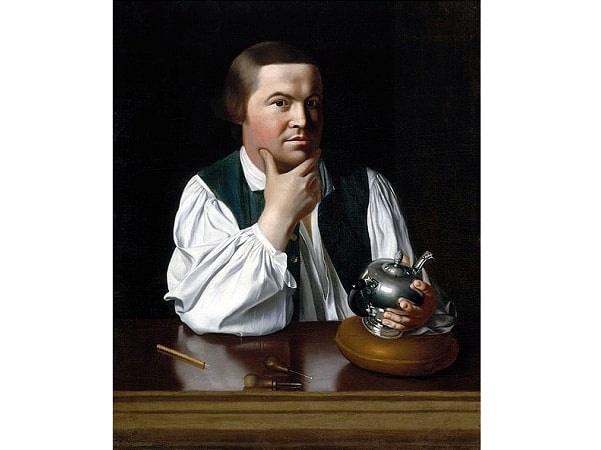
In searching through early 19th Century newspapers, time and again we find historical obituaries about the passing of “Revolutionary Heroes,” as America’s newspapers recorded the honored service of those who fought to secure this country’s freedom from England.
This 1851 American Revolutionary War soldier’s obituary of Thomas Hill is a good example.
Massachusetts Spy (Worcester, Massachusetts), 15 July 1851, page 3.
This soldier’s obituary says of Thomas Hill: “He was in the battle of Concord, and was on Bunker Hill, but not in the engagement.”
Wait—he was there at the battle but didn’t fight?
Why was he given a pension by the U.S. federal government and called a “Revolutionary Hero” in this historical obituary if he was there at the battle but not engaged in the fighting?
Digging deeper in GenealogyBank I found this old newspaper article profiling Thomas Hill when he was 89, one year before he died. It was published in the New Hampshire Gazette (Portsmouth, New Hampshire), 23 April 1850, page 2, giving more details about his military service.
So he was at the Battle of Concord as a 14-year-old boy and also at the Battle of Bunker Hill “with his father and eldest brother Abraham.” They were part of “the volunteer minute men who fought.”
Thomas Hill went on to fight in “two campaigns in the Jerseys and New York.”
Thomas Hill was honored along with “four other survivors, being all that could be found in the country around who were active in the scenes of 1775.”
And honored he was—the historical newspaper article went on to say:
We can picture the old Revolutionary War veteran being escorted by the grateful citizens of West Cambridge over the same route used by the British when they attacked Lexington and Concord.
It calls to mind the words of the poet Longfellow:
“Listen my children and you shall hear
Of the midnight ride of Paul Revere,
On the eighteenth of April, in Seventy-five;
Hardly a man is now alive
Who remembers that famous day and year.”
Longfellow’s immortal words were published in January 1861, 11 years after the 1850 tribute to Thomas Hill. Perhaps he was inspired by this celebration honoring Hill and the other four remaining men “who remembered that famous day and year.”
GenealogyBank gives us the key opportunity to dig in and find the details of the thousands who served as soldiers in the American Revolutionary War. Search GenealogyBank’s newspaper archives and document your ancestors—don’t let their stories be lost.
“Bloody News – This town has been in a Continental Alarm since Mid-day ….. the attack began at Lexington (about 12 miles from Boston) by the regular troops, the 18th Infantry before sunrise…From thence they proceeded to Concord where they made a general attack…” Stirring news – as gripping as a bulletin on TV. Thanks to GenealogyBank we can read the same newspapers our ancestors read and feel the impact of the news as they lived it. No other site has the depth of coverage found on GenealogyBank. Sign-up now. April 19, 1775 – Attack on Lexington & Concord The Midnight Ride of Paul Revere by Henry Wadsworth Longfellow
Listen my children and you shall hear Of the midnight ride of Paul Revere, On the eighteenth of April, in Seventy-five; Hardly a man is now alive Who remembers that famous day and year.
He said to his friend, “If the British march By land or sea from the town to-night, Hang a lantern aloft in the belfry arch Of the North Church tower as a signal light, One if by land, and two if by sea; And I on the opposite shore will be, Ready to ride and spread the alarm Through every Middlesex village and farm, For the country folk to be up and to arm.”
Then he said “Good-night!” and with muffled oar Silently rowed to the Charlestown shore, Just as the moon rose over the bay, Where swinging wide at her moorings lay The Somerset, British man-of-war; A phantom ship, with each mast and spar Across the moon like a prison bar, And a huge black hulk, that was magnified By its own reflection in the tide.
Meanwhile, his friend through alley and street Wanders and watches, with eager ears, Till in the silence around him he hears The muster of men at the barrack door, The sound of arms, and the tramp of feet, And the measured tread of the grenadiers, Marching down to their boats on the shore.
Then he climbed the tower of the Old North Church, By the wooden stairs, with stealthy tread, To the belfry chamber overhead, And startled the pigeons from their perch On the somber rafters, that round him made Masses and moving shapes of shade,– By the trembling ladder, steep and tall, To the highest window in the wall, Where he paused to listen and look down A moment on the roofs of the town And the moonlight flowing over all.
Beneath, in the churchyard, lay the dead, In their night encampment on the hill, Wrapped in silence so deep and still That he could hear, like a sentinel’s tread, The watchful night-wind, as it went Creeping along from tent to tent, And seeming to whisper, “All is well!” A moment only he feels the spell Of the place and the hour, and the secret dread Of the lonely belfry and the dead; For suddenly all his thoughts are bent On a shadowy something far away, Where the river widens to meet the bay,– A line of black that bends and floats On the rising tide like a bridge of boats.
Meanwhile, impatient to mount and ride, Booted and spurred, with a heavy stride On the opposite shore walked Paul Revere. Now he patted his horse’s side, Now he gazed at the landscape far and near, Then, impetuous, stamped the earth, And turned and tightened his saddle girth; But mostly he watched with eager search The belfry tower of the Old North Church, As it rose above the graves on the hill, Lonely and spectral and somber and still. And lo! as he looks, on the belfry’s height A glimmer, and then a gleam of light! He springs to the saddle, the bridle he turns, But lingers and gazes, till full on his sight A second lamp in the belfry burns.
A hurry of hoofs in a village street, A shape in the moonlight, a bulk in the dark, And beneath, from the pebbles, in passing, a spark Struck out by a steed flying fearless and fleet; That was all! And yet, through the gloom and the light, The fate of a nation was riding that night; And the spark struck out by that steed, in his flight, Kindled the land into flame with its heat. He has left the village and mounted the steep, And beneath him, tranquil and broad and deep, Is the Mystic, meeting the ocean tides; And under the alders that skirt its edge, Now soft on the sand, now loud on the ledge, Is heard the tramp of his steed as he rides.
It was twelve by the village clock When he crossed the bridge into Medford town. He heard the crowing of the cock, And the barking of the farmer’s dog, And felt the damp of the river fog, That rises after the sun goes down.
It was one by the village clock, When he galloped into Lexington. He saw the gilded weathercock Swim in the moonlight as he passed, And the meeting-house windows, black and bare, Gaze at him with a spectral glare, As if they already stood aghast At the bloody work they would look upon.
It was two by the village clock, When he came to the bridge in Concord town. He heard the bleating of the flock, And the twitter of birds among the trees, And felt the breath of the morning breeze Blowing over the meadow brown. And one was safe and asleep in his bed Who at the bridge would be first to fall, Who that day would be lying dead, Pierced by a British musket ball.
You know the rest. In the books you have read How the British Regulars fired and fled, How the farmers gave them ball for ball, From behind each fence and farmyard wall, Chasing the redcoats down the lane, Then crossing the fields to emerge again Under the trees at the turn of the road, And only pausing to fire and load.
So through the night rode Paul Revere; And so through the night went his cry of alarm To every Middlesex village and farm, A cry of defiance, and not of fear, A voice in the darkness, a knock at the door, And a word that shall echo for evermore! For, borne on the night-wind of the Past, Through all our history, to the last, In the hour of darkness and peril and need, The people will waken and listen to hear The hurrying hoof-beats of that steed, And the midnight message of Paul Revere
“Bloody News – This town has been in a Continental Alarm since Mid-day ….. the attack began at Lexington (about 12 miles from Boston) by the regular troops, the 18th Infantry before sunrise…From thence they proceeded to Concord where they made a general attack…” Stirring news – as gripping as a bulletin on TV. Thanks to GenealogyBank we can read the same newspapers our ancestors read and feel the impact of the news as they lived it. No other site has the depth of coverage found on GenealogyBank. Sign-up now.
The Midnight Ride of Paul Revere by Henry Wadsworth Longfellow Listen my children and you shall hear Of the midnight ride of Paul Revere, On the eighteenth of April, in Seventy-five; Hardly a man is now alive Who remembers that famous day and year.
He said to his friend, “If the British march By land or sea from the town to-night, Hang a lantern aloft in the belfry arch Of the North Church tower as a signal light, One if by land, and two if by sea; And I on the opposite shore will be, Ready to ride and spread the alarm Through every Middlesex village and farm, For the country folk to be up and to arm.”
Then he said “Good-night!” and with muffled oar Silently rowed to the Charlestown shore, Just as the moon rose over the bay, Where swinging wide at her moorings lay The Somerset, British man-of-war; A phantom ship, with each mast and spar Across the moon like a prison bar, And a huge black hulk, that was magnified By its own reflection in the tide.
Meanwhile, his friend through alley and street Wanders and watches, with eager ears, Till in the silence around him he hears The muster of men at the barrack door, The sound of arms, and the tramp of feet, And the measured tread of the grenadiers, Marching down to their boats on the shore.
Then he climbed the tower of the Old North Church, By the wooden stairs, with stealthy tread, To the belfry chamber overhead, And startled the pigeons from their perch On the sombre rafters, that round him made Masses and moving shapes of shade,– By the trembling ladder, steep and tall, To the highest window in the wall, Where he paused to listen and look down A moment on the roofs of the town And the moonlight flowing over all.
Beneath, in the churchyard, lay the dead, In their night encampment on the hill, Wrapped in silence so deep and still That he could hear, like a sentinel’s tread, The watchful night-wind, as it went Creeping along from tent to tent, And seeming to whisper, “All is well!” A moment only he feels the spell Of the place and the hour, and the secret dread Of the lonely belfry and the dead; For suddenly all his thoughts are bent On a shadowy something far away, Where the river widens to meet the bay,– A line of black that bends and floats On the rising tide like a bridge of boats.
Meanwhile, impatient to mount and ride, Booted and spurred, with a heavy stride On the opposite shore walked Paul Revere. Now he patted his horse’s side, Now he gazed at the landscape far and near, Then, impetuous, stamped the earth, And turned and tightened his saddle girth; But mostly he watched with eager search The belfry tower of the Old North Church, As it rose above the graves on the hill, Lonely and spectral and sombre and still. And lo! as he looks, on the belfry’s height A glimmer, and then a gleam of light! He springs to the saddle, the bridle he turns, But lingers and gazes, till full on his sight A second lamp in the belfry burns. A hurry of hoofs in a village street, A shape in the moonlight, a bulk in the dark, And beneath, from the pebbles, in passing, a spark Struck out by a steed flying fearless and fleet; That was all! And yet, through the gloom and the light, The fate of a nation was riding that night; And the spark struck out by that steed, in his flight, Kindled the land into flame with its heat. He has left the village and mounted the steep, And beneath him, tranquil and broad and deep, Is the Mystic, meeting the ocean tides; And under the alders that skirt its edge, Now soft on the sand, now loud on the ledge, Is heard the tramp of his steed as he rides. It was twelve by the village clock When he crossed the bridge into Medford town. He heard the crowing of the cock, And the barking of the farmer’s dog, And felt the damp of the river fog, That rises after the sun goes down. It was one by the village clock, When he galloped into Lexington. He saw the gilded weathercock Swim in the moonlight as he passed, And the meeting-house windows, black and bare, Gaze at him with a spectral glare, As if they already stood aghast At the bloody work they would look upon.
It was two by the village clock, When he came to the bridge in Concord town. He heard the bleating of the flock, And the twitter of birds among the trees, And felt the breath of the morning breeze Blowing over the meadow brown. And one was safe and asleep in his bed Who at the bridge would be first to fall, Who that day would be lying dead, Pierced by a British musket ball. You know the rest. In the books you have read How the British Regulars fired and fled, How the farmers gave them ball for ball, From behind each fence and farmyard wall, Chasing the redcoats down the lane, Then crossing the fields to emerge again Under the trees at the turn of the road, And only pausing to fire and load.
So through the night rode Paul Revere; And so through the night went his cry of alarm To every Middlesex village and farm, A cry of defiance, and not of fear, A voice in the darkness, a knock at the door, And a word that shall echo for evermore! For, borne on the night-wind of the Past, Through all our history, to the last, In the hour of darkness and peril and need, The people will waken and listen to hear The hurrying hoof-beats of that steed, And the midnight message of Paul Revere.